PHASE 1
Building The Foundation Of A Beautiful Smile
Guiding Growth & Development
Conservative Treatment Measures For Young Smiles
Early orthodontic treatment or Phase 1 treatment refers to the interventional measures that an orthodontist may prescribe to create adequate space to develop the upper arch to accommodate for all of the permanent teeth. One of the main goals of orthodontic treatment is to reduce or eliminate the need to extract permanent healthy teeth due to overcrowding. When possible, it is advantageous to intervene early in the dental development process so that all teeth have the proper placement and to avoid the need for more invasive orthodontic procedures or treatments.
Catching Problems Early
When Should My Child See an Orthodontist?
The American Dental Association (ADA), as well as the American Association of Orthodontists (AAO), recommend that each child have an evaluation by an orthodontist around the age of 7. The evaluation and examination will help identify any malocclusion or bite problems early and, if necessary, offer a treatment plan to help mitigate developing issues. Not all children will need early intervention or palatal expansion. However, this is a great opportunity for your child to see a specialist that is highly trained in the proper alignment of the teeth and bite. If your child does not need early intervention, then he or she can be monitored by a specialist who will know the right time to begin orthodontic treatment.
Harnessing Growth To Address Problems
Phase 1 Treatment Goals
Joosse Family Orthodontics prescribes conservative treatment measures during Phase 1 orthodontics to guide the growth and development of the jaw ensuring that the upper and lower teeth fit together in an ideal manner. Early orthodontic intervention involves the expansion of the palate and this expansion can alleviate malocclusion issues such as Underbite, Posterior Crossbite, Anterior Crossbite, Open Bite, Flared Out, Crowding, Protruded or “buck” front teeth, Narrow smile and Sleep disordered breathing.
Other Treatment Goals Include:
UNDERBITE
–


POSTERIOR
CROSSBITE
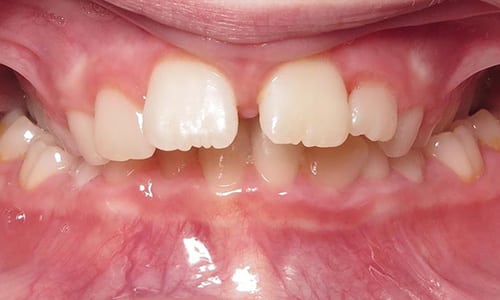

ANTERIOR
CROSSBITE
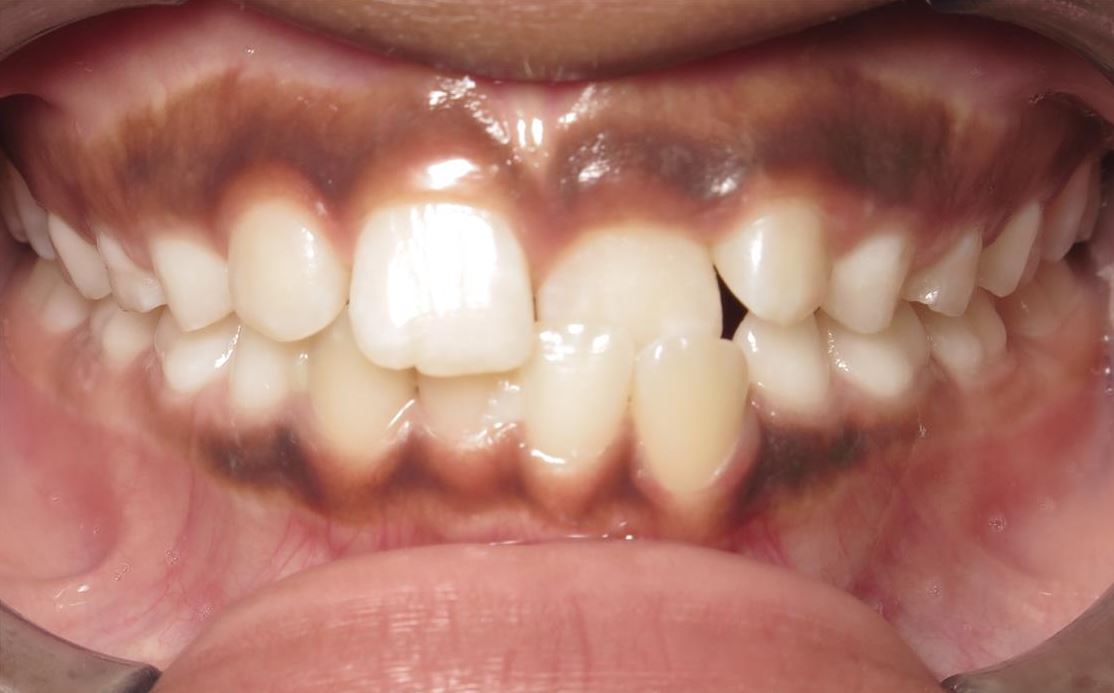
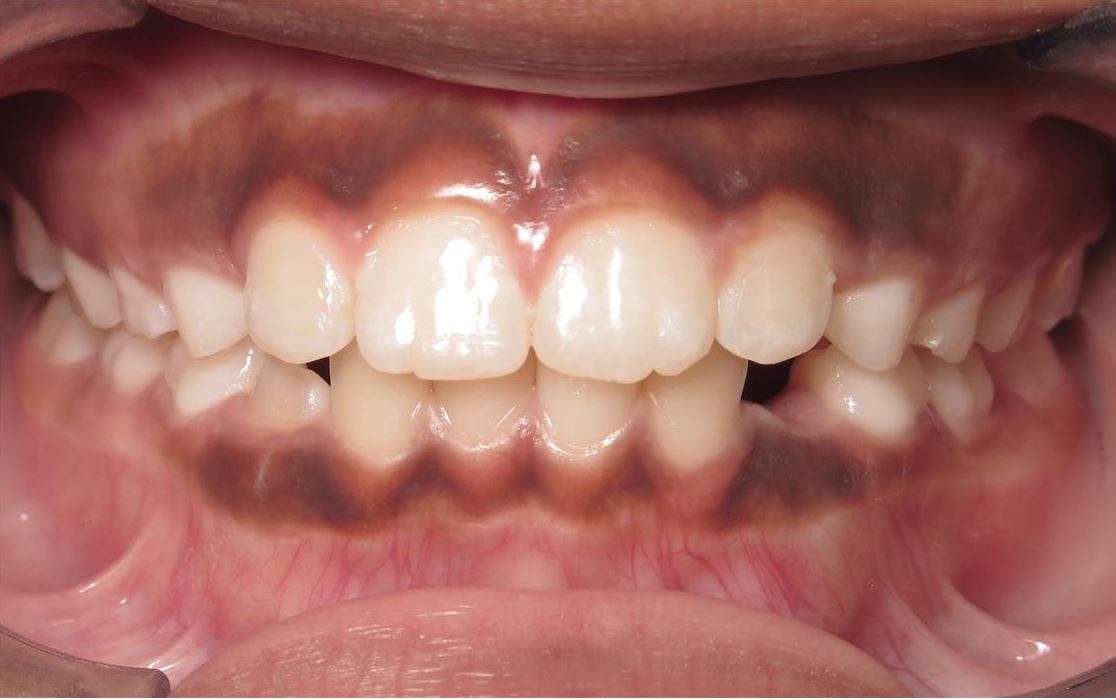
OPEN
BITE
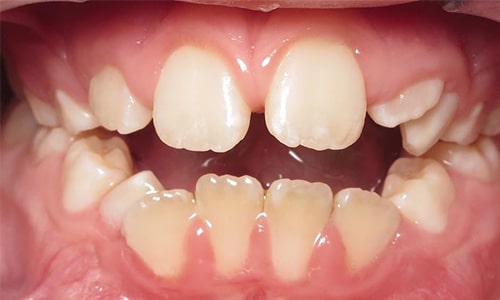

FLARED
OUT

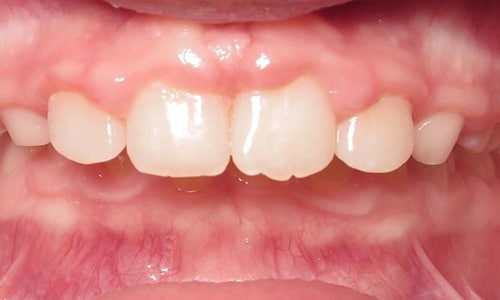
As a parent, we know you want the best for your child. If you think your child exhibits any of the above symptoms, don’t hesitate to call Joosse Family Orthodontics at (757) 229-4181.
Reducing The Duration Of Future Treatment
Benefits of Phase 1 Treatment
Joosse Family Orthodontics prescribes conservative treatment options for patients who need upper arch expansion. While not all children will need Phase 1 orthodontic treatment, the ones who do need it can experience the many benefits that come along with expanding the palate. Perhaps, one of the most notable benefits of Phase 1 orthodontic treatment is how it reduces the duration of regular orthodontic treatment.
Additional benefits of Phase 1 treatment include:
Early Intervention In Dental Development
What to Expect During Phase 1 Treatment
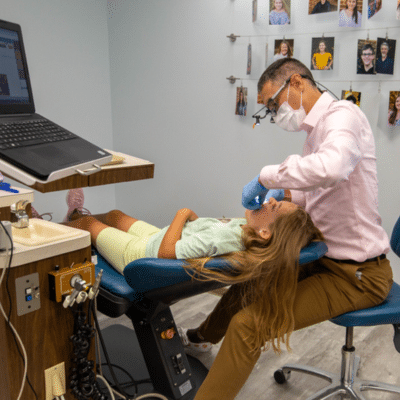
At Joosse Family Orthodontics of Williamsburg, VA, the first step in Phase 1 orthodontic treatment is an evaluation and an examination to determine if your child needs intervention. If your child is about 7 years old, call our office today at (757) 229-4181 to schedule a complimentary consultation for Phase 1 treatment. The consultation is a quick appointment and involves taking a few pictures of your child’s teeth as well as a digital x-ray. Dr. Joosse will take a peek inside your child’s mouth and we will explain how your child may benefit from Phase 1 treatment using palatal expansion.
Your child will have a mold or an impression made of his upper and lower arch so that we can create a customized palate expander appliance that will fit precisely in your child’s mouth. After the impression, Joosse Family Orthodontics will place spacers in between the back molars of the upper arch to create a small amount of space for the metal band to fit around the tooth. The metal bands are used to hold the appliance in place. After about a week, your child’s appliance will be made and ready to fit into his mouth at the next office visit. The appliance will be bonded to the upper back molars and the device will be activated to start the expansion. It is common for it to take a few days for your child to acclimate to the new fixed appliance; however, it should not cause pain or discomfort. We will schedule visits to monitor your child’s progress and make sure the appliance is working effectively.
It is not uncommon for a band to pop loose with palatal expanders and this is a simple quick fix. Just call our office at (757) 229-4181 and we will schedule an appointment to fix it. Please save any part of the appliance that comes out of the mouth and we will reattach it at the repair visit. You can place wax over any area that you feel may be poking or irritating your child’s mouth.
Your child can expect to wear his palatal expander for 6 months to a year. If your child has an open bite or severely protruding front teeth, we may place 4 brackets on the front top teeth. These brackets will gently and gradually guide the 4 top teeth downward to an angle that is safer and less chance for injury.
Avoid The Need For Invasive Treatments
Signs Your Child May Benefit From Phase 1 Treatment
You may be wondering if your child is a candidate for Phase 1 orthodontic treatment. There are a few signs or indicators that can mean your child could benefit from upper arch expansion, like:
If your child has one of the signs listed above, it does not necessarily mean they will need upper arch expansion. Joosse Family Orthodontics offers complimentary consultations for children and parents inquiring about Phase 1 treatment. We have several options that are available and we can work together to choose the one that is best for your child. Call Joosse Family Orthodontics today at (757) 229-4181 to learn more.
Real Patient Results
Phase 1 Smile Transformations
Dr. Joosse discusses how early treatment can benefit your child’s smile and overall oral health by example of these real Josse Family Orthodontics patients’ early treatment transformations.
Frequently Asked Questions About Phase I Treatment
If you have questions about your child’s Phase 1 treatment, we’re happy to help. We’ve compiled some of our most frequently asked questions about Phase 1 treatment so you can feel knowledgeable about your child’s treatment.