
 In a recent blog post, I discussed my primary rule for retainers: that they should be worn every night for the rest of your life. One source of confusion surrounding retainers is why there are different types of retainers.
In this blog post, I’d like to give an overview of the different types of retainers, their advantages and disadvantages, and some of my indications for using one retainer over another type of retainer. But, before I begin, a disclaimer: if there was a well-researched, solid conclusion on what retainer worked best, we’d all be using it. Ultimately, there is room for differences of opinion here.
Generally, there are two types of retainers, bonded (permanent) and removable. Within the realm of removable retainers, I’d like to highlight two general types: conventional and vacuform.
Bonded/Permanent Retainers
About: They are bonded to some or all of the teeth that they are meant to hold, but generally are only used to hold the front teeth in place.
Advantages:
- Requires no compliance on the part of the patient, making them better than any retainer that is not worn or lost.
- Great for holding spaces closed.
- Arguably the most comfortable retainer.
Disadvantages:
- More difficult to clean around, making them a bad choice for patients with poor oral hygiene (unfortunately, patients with bad hygiene habits are typically the same ones who will forget to wear removable retainers!)
- May break or become dislodged and, if not rebounded quickly, may allow teeth to shift
- May not hold teeth in place as well depending on how the retainer is made/bonded
Conventional Retainers
Also known as: Hawley retainers, Spring retainers, Wraparound retainers
About: These come in many shapes and sizes, but, generally, there is a wire that runs on the outside of the front teeth and some sort of acrylic that goes on the inside of the teeth.
Advantages:
- Longevity. Although not proven, I believe these retainers last the longest
- Excellent at holding teeth in place. Again, not proven, but I believe these do the best job of this.
- Adjustable. They can be adjusted to accommodate for minor shifting or for new dental work
Disadvantages:
- Requires patient compliance. If they are not worn, they will not do their job.
- Although most patients don’t mind, they are probably the least comfortable retainer
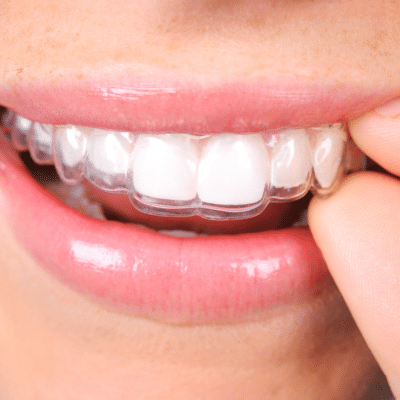
Vacuform Retainers
Also known as: Essix retainers, Trutain retainers, Vivera retainers
About: Generally, they are clear, and they cover all the surfaces of all the teeth, almost like a mouthguard
Advantages:
- Most easily replaced. Most dental offices, not just orthodontic offices, can fabricate a new one. The material used may not be exactly the same, but it will usually work just fine
- Function as nightguards, preventing people who grind their teeth from damaging their teeth
- More comfortable than conventional retainers, especially for patients who were treated with Invisalign (because they are very similar to Invisalign trays, Invisalign patients typically like this type of retainer)
Disadvantages:
- May not last very long depending on the material used
- Requires patient compliance
- Custom fit, meaning they may no longer fit after new dental work, eruption of third molars, etc.
Retainer Types: Contact Us Today
In conclusion, there is not a “best” retainer. All types of retainers have advantages and disadvantages. Likewise, there is not a “one size fits all” retainer solution. I prescribe different retainers for different patients based on their individual needs. Should you have any questions about the best retainer for you or your family member, I’d love to have the discussion with you! If are ready to learn more about orthodontic treatment, we can’t wait to meet you.