
Have you ever actually thought about toothpaste? Where does it come from? What’s in it? Why do we need to use it? Let’s find out.
History 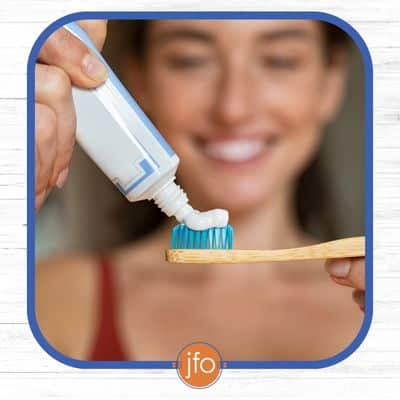
Throughout history, humans have used many different things to clean their teeth. Some have been harsh, some gross and some even effective. Our current version of toothpaste has been around for about a hundred years.
The Egyptians used a mixture of rock salt, mint, iris flowers and pepper to brush their teeth. The salt caused irritation and gum bleeding, but it cleaned teeth well. In Greek and Roman societies, they used a mixture containing bone or oyster shells and the Chinese used salt, ginseng and mint. Ancient cultures also used other strange things like ox hooves, pumice, brick dust, burnt eggshells, tree bar and ashes.
Since the United States was established, people have continued to use many strange things to “clean” their teeth. People have used everything from burnt breadcrumbs, soap mixed with abrasive materials to chalk. Colgate created the first smooth, good-smelling paste in 1873. Through 1945, it still contained soap.
Over the last hundred years, advancements in dentistry have changed toothpaste to be more effective, less abrasive and more palatable. Fluoride started being added to toothpaste in 1914 after studies showed its many benefits to teeth. Dentists realized abrasive ingredients could damage enamel, so toothpaste was developed with less abrasiveness. Toothpaste has advanced further to treat specific issues like sensitive teeth, gum health and whitening.
What’s in it?
Ingredients in Standard Toothpaste:
- Abrasives to gently polish and clean plaque from your teeth and gums and dissolve stains from your teeth. A common abrasive is calcium carbonite.
- Flavoring to help it taste and smell appealing. Typical flavors include mint and cinnamon but are usually listed as natural and artificial flavors.
- Thickening agents are added to help stabilize the other ingredients and help the toothpaste retain moisture and stay on the toothbrush. A standard stabilizer is cellulose gum.
- Detergents to create the foam that helps dislodge food remains and plaque.
- Treatment Additives may be added to help with cavity protection, tartar control, teeth whitening, and sensitive teeth.
- Fluoride is added to keep your teeth and mouth healthy. Topical fluoride helps harden your teeth and promotes a healthy mouth.
Purpose
Plaque is the primary cause of gum disease and cavities. The best way to control plaque is by brushing your teeth. We use toothpaste because it provides many benefits other than cleaning your teeth. Toothpaste helps prevent gingivitis and tooth decay, which is why we use it.
How to Use
The main guidelines for using toothpaste:
- Use a toothpaste with fluoride
- Amount to use:
- Adults should only be using a pea-sized amount
- Children should follow the instructions from their dentist, and they should be supervised until they are old enough to know not to swallow it. The common guidelines are:
- Babies to age 2 – only water
- Ages 3-6 – A rice-sized amount of toothpaste
- Ages 6 and up – A pea-sized amount of toothpaste
Getting regular dental cleanings is important to your overall oral health. When undergoing orthodontic treatment, it is especially important to clean your teeth every time you eat. When wearing braces, be sure to brush after eating because food can easily get caught between the brackets and the teeth. When using aligners, it is important to brush your teeth every time you eat and to clean your aligners so that food doesn’t get stuck between your teeth and your aligners.
Contact us today if you have any questions about what toothpaste you should be using and how much. Joosse Family Orthodontics offers a complimentary orthodontic consultation. Dr. Joosse will provide advice on treatment and the next steps for a straighter, healthier smile. Call us at 757-229-4181 or visit us online to request your complimentary consultation today.